Introduction: Maximizing HVAC Efficiency on a Budget
As we progress through 2026, Gilroy homeowners are increasingly focused on balancing comfort with cost-effectiveness. With rising energy costs and evolving environmental concerns, optimizing your HVAC system for efficiency and affordability has never been more critical. This guide will explore smart investment strategies and cost-saving tips for maintaining an efficient heating and cooling system in your home.
Understanding the Basics: How HVAC Systems Consume Energy
Before diving into cost-saving strategies, it's important to understand how HVAC systems consume energy. Most systems operate by using electricity to power fans, compressors, and other components that regulate temperature. Energy consumption can fluctuate based on the system's age, maintenance history, and usage patterns. By understanding these factors, you can better identify areas for potential savings.
Cost-Saving Tips for HVAC Systems
1. Regular Maintenance and Tune-Ups
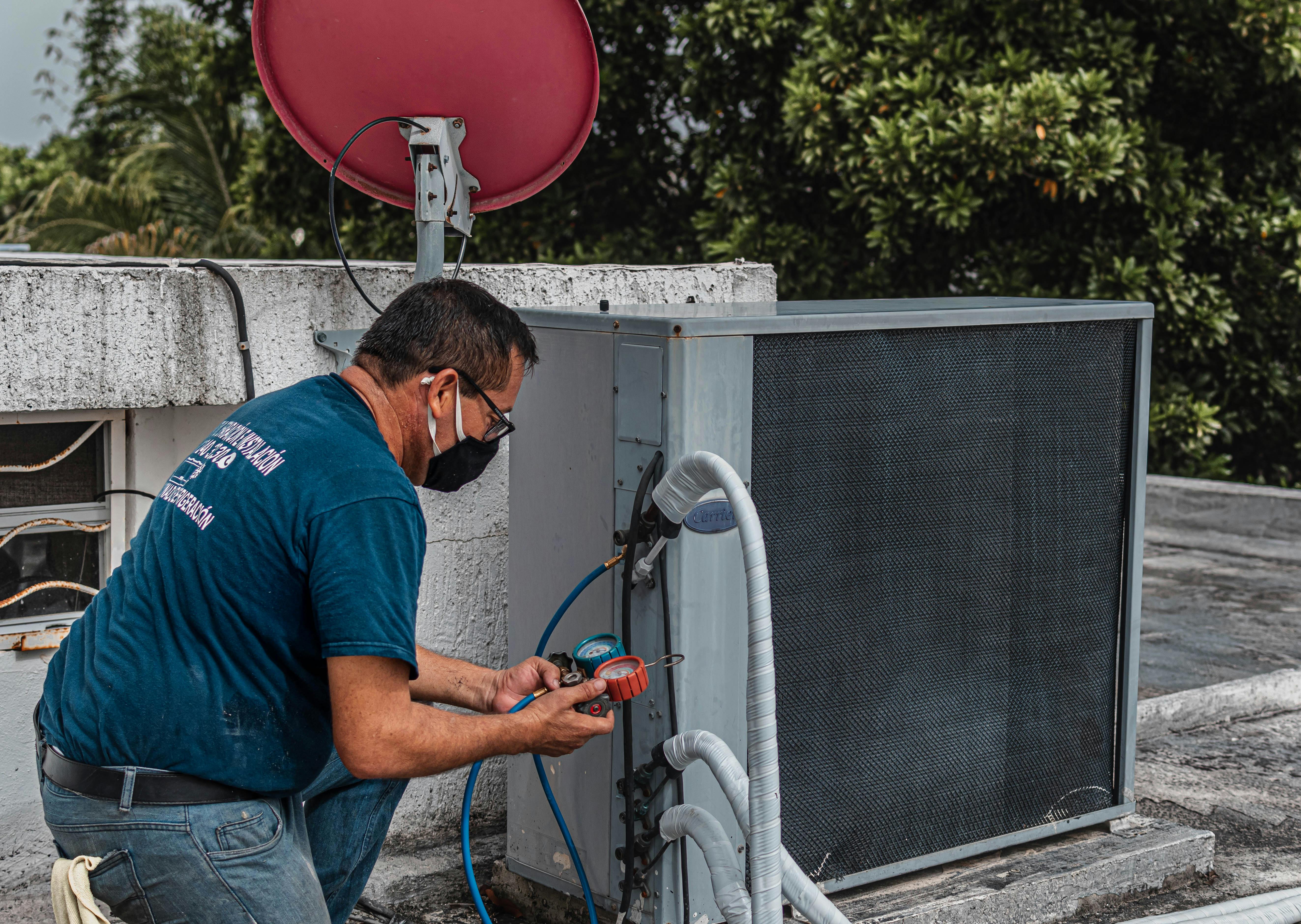
Regular maintenance is crucial for ensuring your HVAC system runs efficiently. Scheduling bi-annual tune-ups with a trusted local provider like LJ Mechanical Heating & Cooling can help prevent small issues from becoming major costly repairs. During these visits, technicians will clean and inspect components, ensuring everything operates smoothly.
2. Upgrade to a Programmable Thermostat
Installing a programmable or smart thermostat is a simple and effective way to reduce energy usage. These devices allow you to set specific temperatures for different times of the day, minimizing unnecessary heating or cooling when you're not home. Over time, this adjustment can lead to significant savings on your energy bills.
3. Seal and Insulate Your Home
Drafts and poor insulation can significantly impact your HVAC system's efficiency. By sealing windows, doors, and ductwork and adding insulation where needed, you can prevent air leakage. This ensures your system doesn't work harder than necessary to maintain comfortable indoor temperatures.
4. Consider Energy-Efficient Upgrades
While the initial investment might seem daunting, upgrading to an energy-efficient HVAC system can pay off in the long run. Newer models are designed to consume less energy while offering enhanced performance. Look for systems with high SEER (Seasonal Energy Efficiency Ratio) ratings to maximize savings.
Budget Considerations for HVAC Investments
Assessing Upfront Costs vs. Long-Term Savings
When considering HVAC upgrades, it's essential to weigh the upfront costs against potential long-term savings. Energy-efficient systems may come with a higher initial price tag, but they can significantly reduce monthly utility bills, offering a return on investment within a few years.
Financing Options and Incentives
Many homeowners may be eligible for financing options or incentives when upgrading their HVAC systems. Check with local utility companies or government programs for rebates or low-interest loans that can make the transition to more efficient systems more affordable.
DIY vs. Professional Services
While some maintenance tasks can be handled by savvy homeowners, others should be left to professionals. Tasks like duct cleaning, refrigerant handling, and major repairs require specialized knowledge and equipment. Investing in professional services ensures the job is done correctly and safely, potentially saving more money in the long run.
Conclusion: A Comfortable and Cost-Effective Home
By implementing these strategies, Gilroy homeowners can achieve a balance between comfort and cost. Whether you're upgrading your system, performing regular maintenance, or making your home more energy-efficient, these steps can lead to substantial savings. For personalized advice and services, consider reaching out to the experts at LJ Mechanical Heating & Cooling, who are ready to help you optimize your HVAC system for maximum efficiency in 2026 and beyond.