Introduction to HVAC Systems
As a homeowner in Gilroy, CA, understanding your HVAC system can significantly impact your comfort and energy efficiency. HVAC stands for Heating, Ventilation, and Air Conditioning, and it plays a crucial role in maintaining a comfortable indoor environment. In this guide, we’ll break down the basics of HVAC systems, explain key components, and offer tips for optimizing your system's performance.
Key Components of an HVAC System
To fully appreciate how your HVAC system works, it’s helpful to understand its main components. Here’s a simplified breakdown:
1. Thermostat
The thermostat is the control center of your HVAC system. It regulates the temperature by signaling the system to heat or cool based on your settings. Smart thermostats, popular in 2026, allow for remote control and energy-saving automation.
2. Furnace
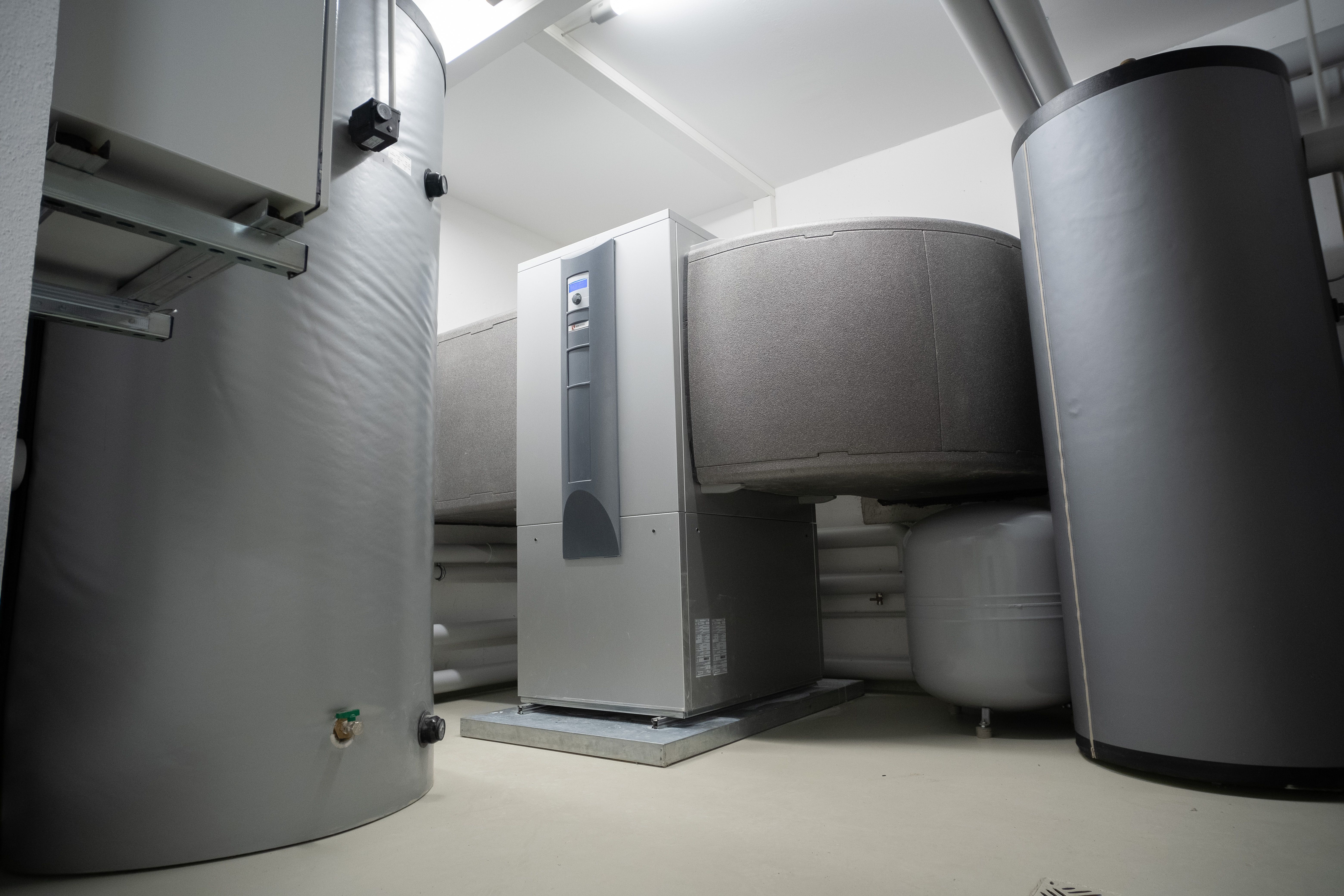
The furnace is responsible for heating your home. It typically uses natural gas, electricity, or oil to generate heat, which is then distributed through the house via ductwork.
3. Air Conditioner
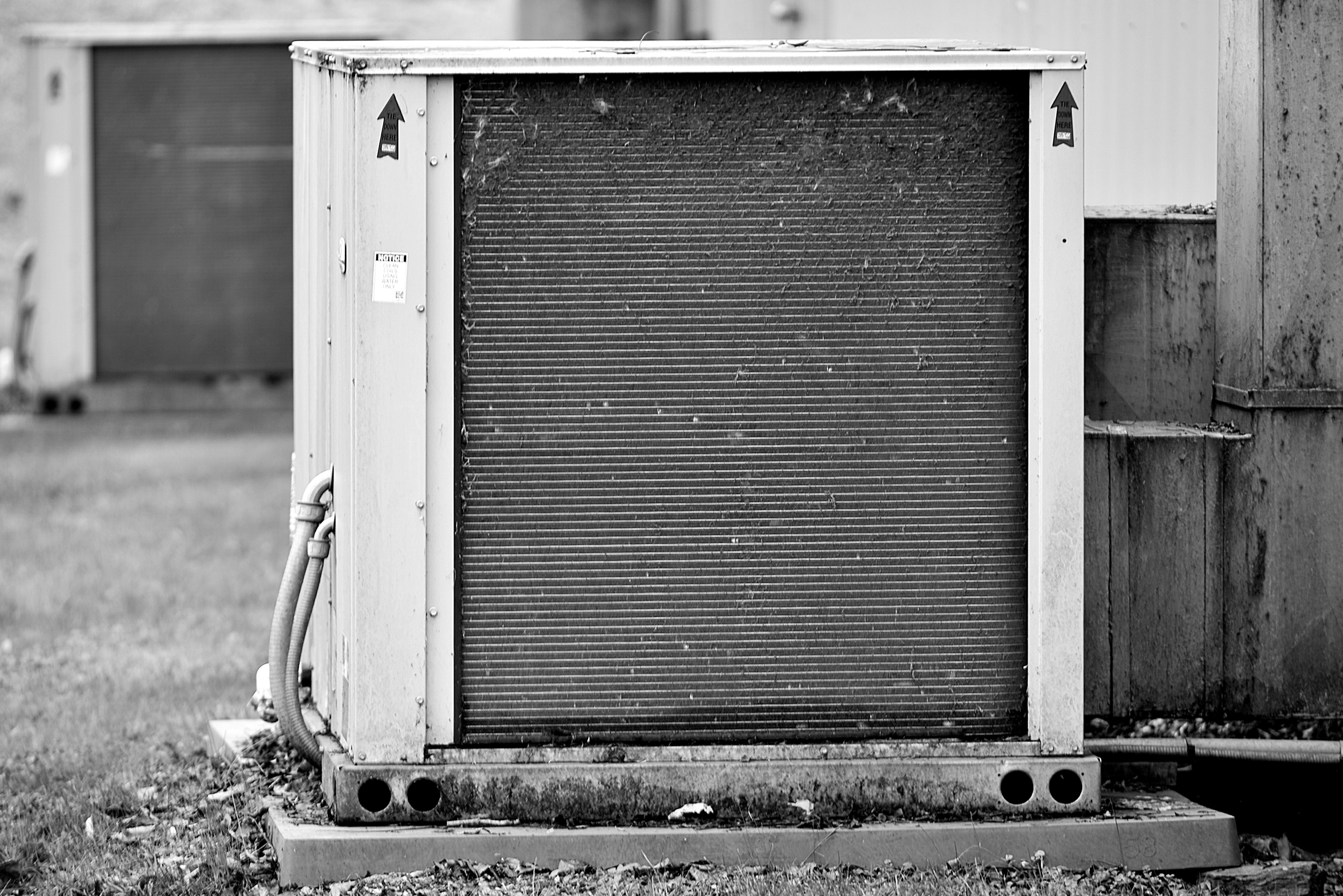
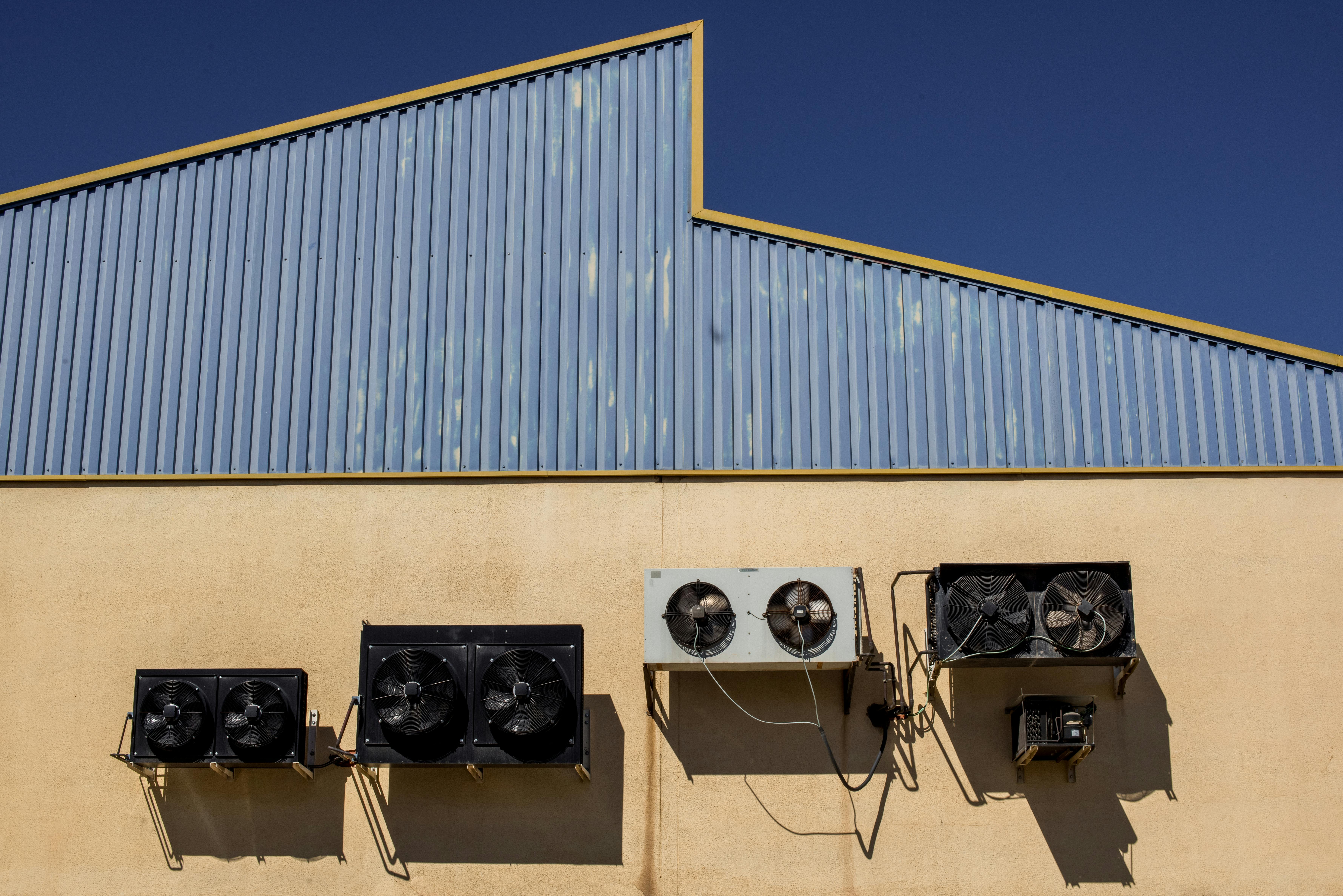
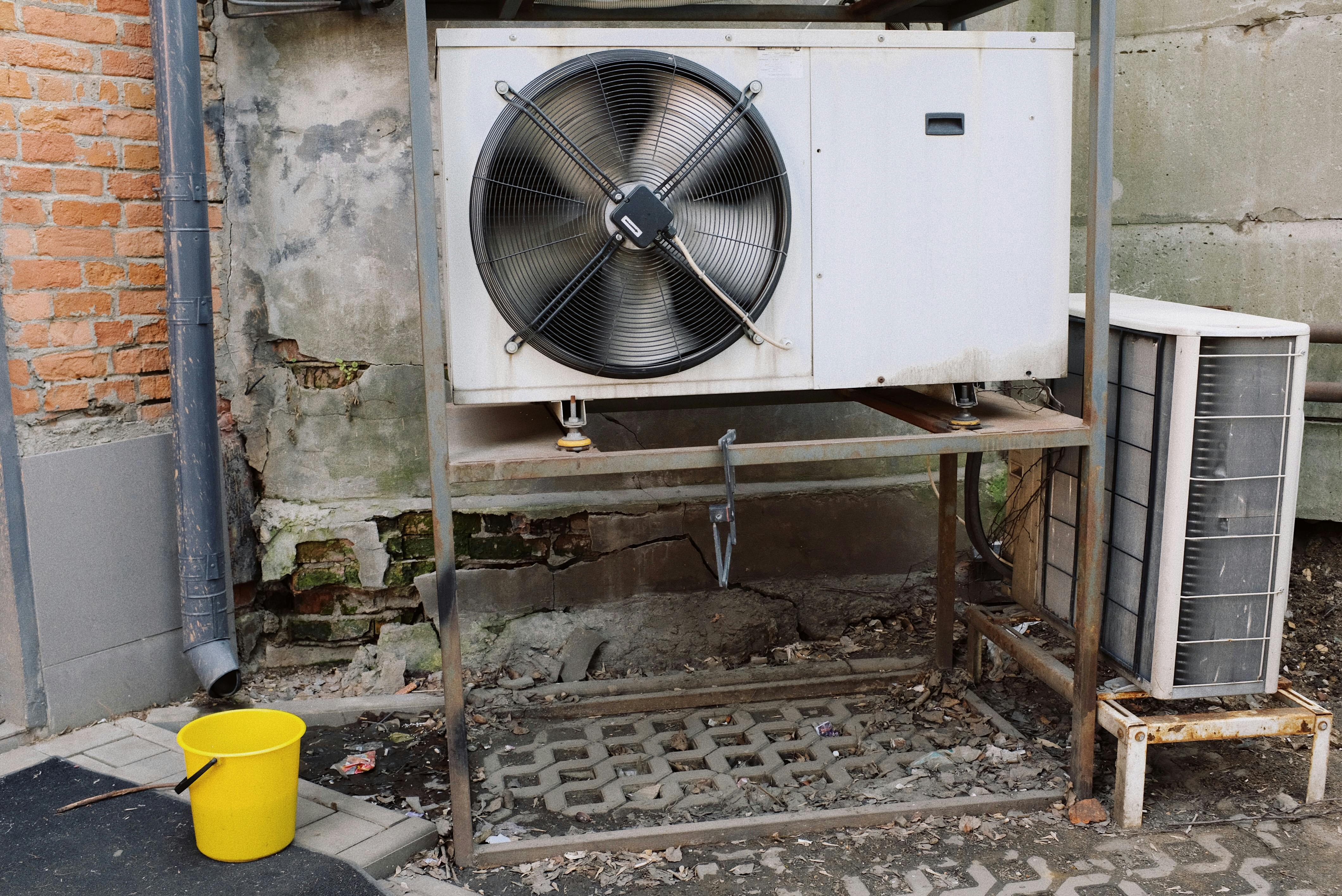
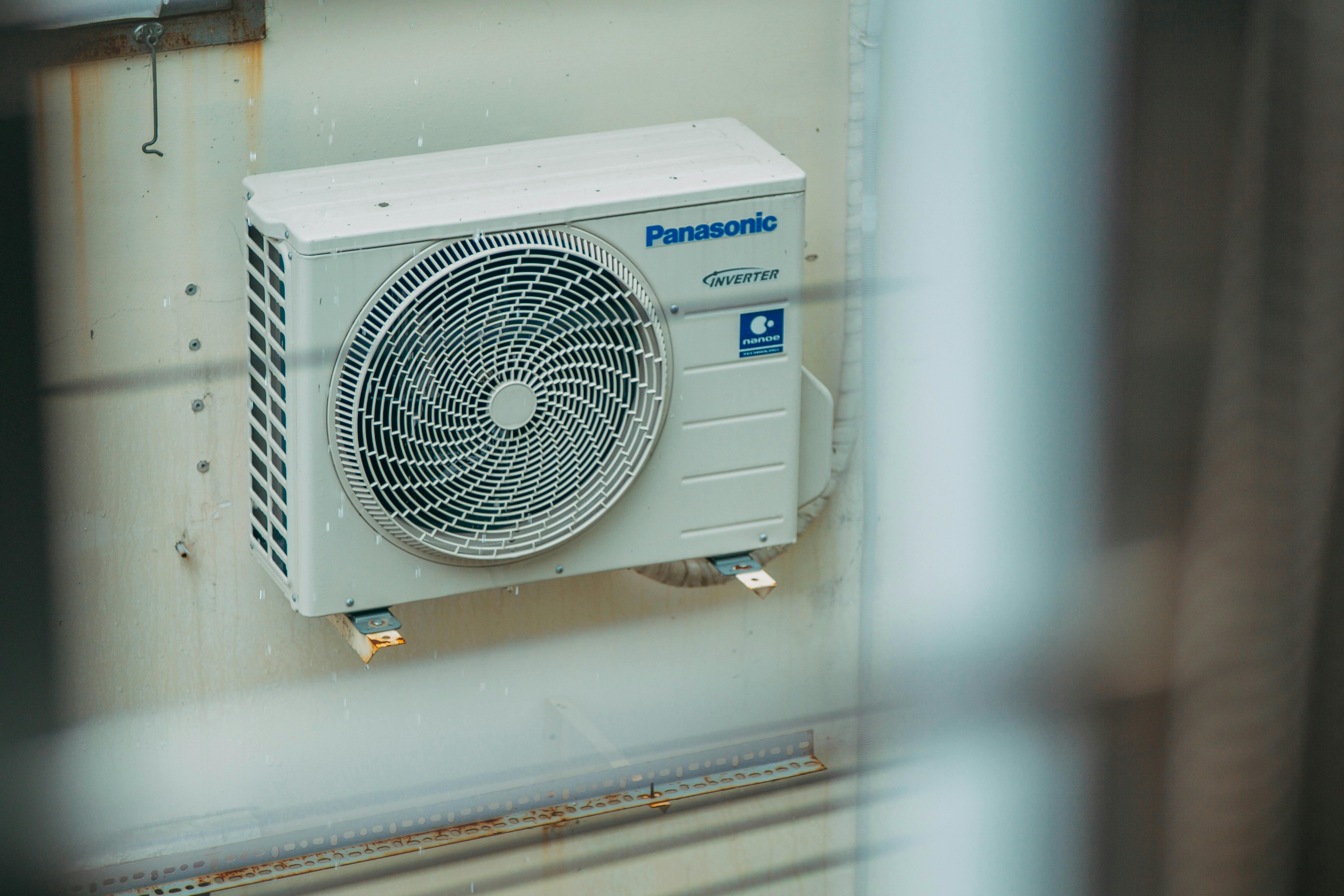
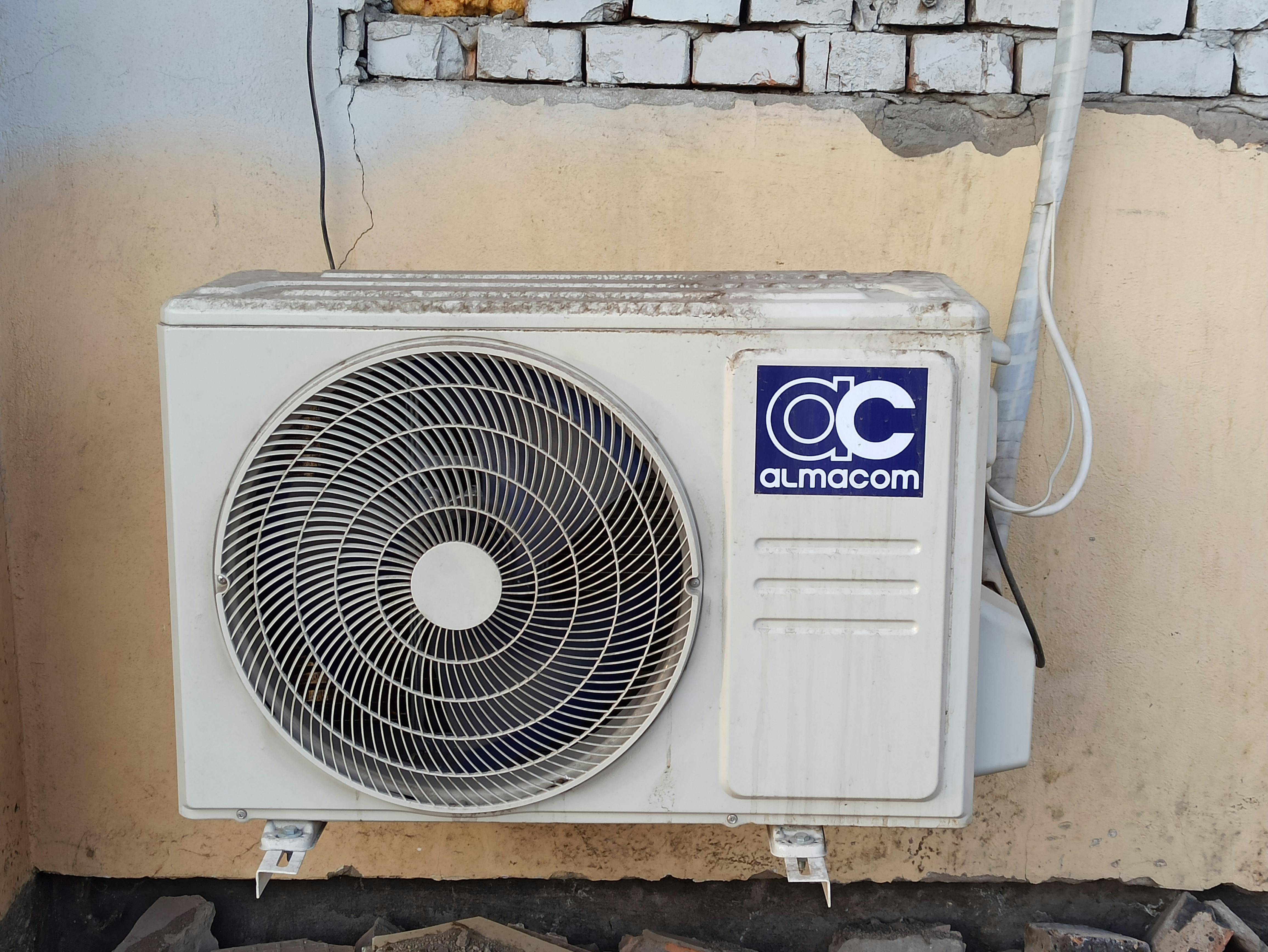
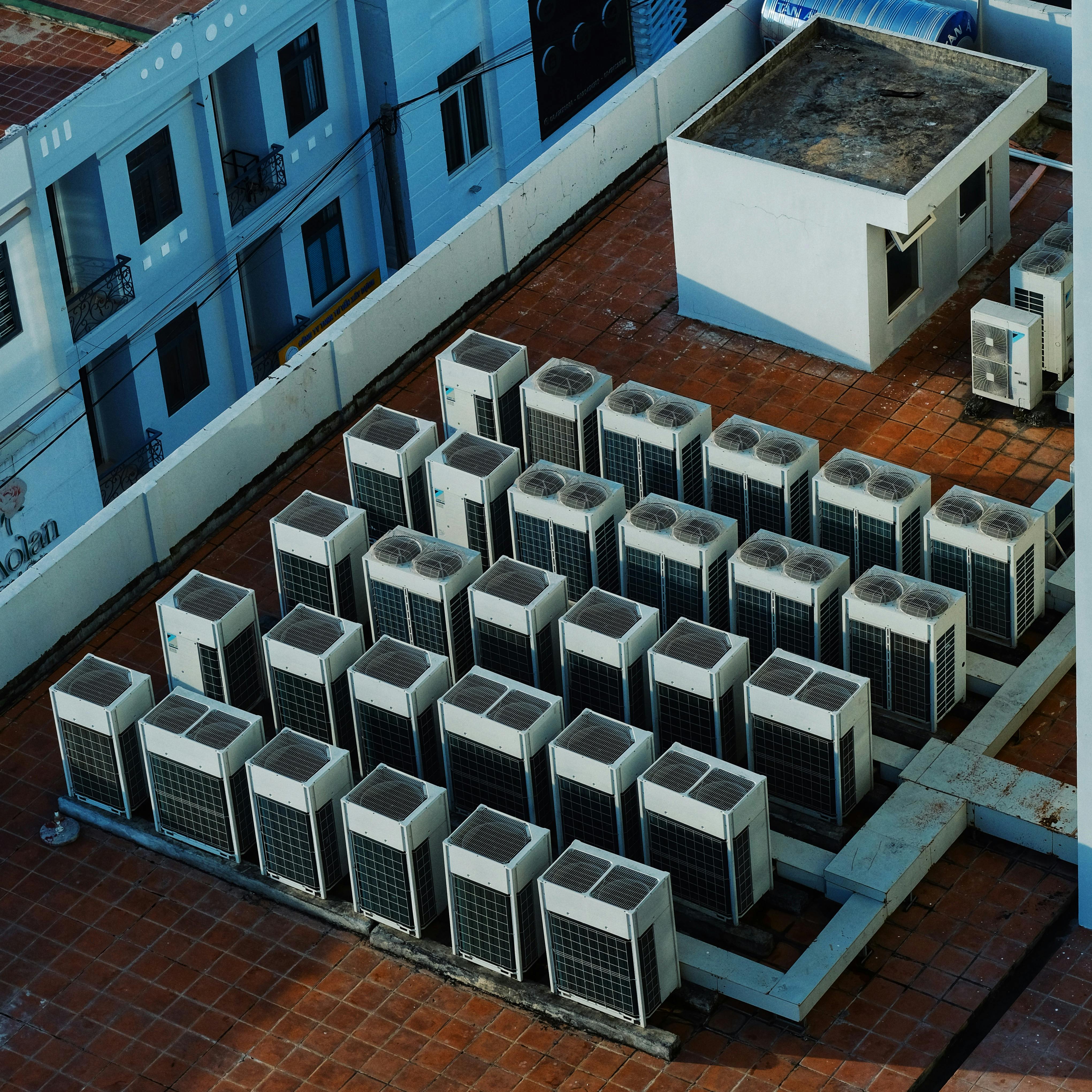
The air conditioner cools your home by removing heat from the indoor air and releasing it outside. This process involves refrigerants, which absorb and expel heat as they circulate through the system.
4. Ductwork
Ductwork is the network of ducts that carries heated or cooled air throughout your home. Properly sealed and insulated ducts are crucial for maintaining efficiency and comfort.
5. Ventilation
Ventilation ensures a steady flow of fresh air into your home while expelling stale air. This exchange is crucial for air quality and helps prevent issues like mold and allergens.
Common HVAC Terms Explained
Understanding some common HVAC terms can help you communicate more effectively with service professionals:
- BTU (British Thermal Unit): A measure of heat energy. It indicates how much heat an HVAC system can produce or remove.
- SEER (Seasonal Energy Efficiency Ratio): A rating that measures the efficiency of air conditioners. Higher SEER ratings indicate greater efficiency.
- AFUE (Annual Fuel Utilization Efficiency): A measure of furnace efficiency. It shows how much fuel is converted into heat.
- HVAC Zones: Separate areas within a home that can be independently heated or cooled for increased efficiency and comfort.
Tips for Optimizing HVAC Efficiency
Keeping your HVAC system running efficiently not only enhances comfort but also reduces energy costs. Here are some tips tailored for Gilroy homeowners:
Regular Maintenance
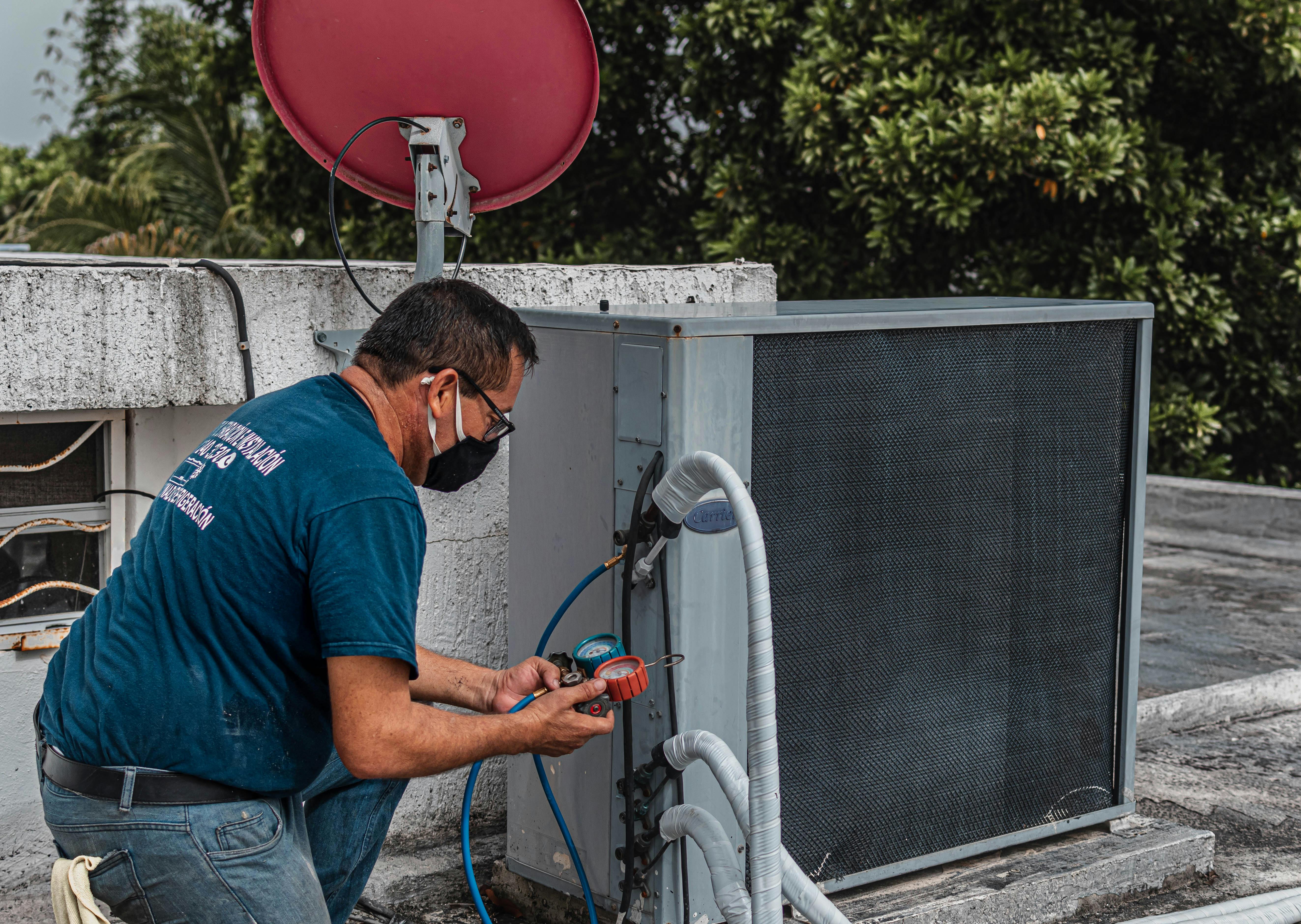
Schedule bi-annual maintenance checks with professionals like LJ Mechanical Heating & Cooling to ensure your system runs smoothly. Regular maintenance helps identify and resolve issues before they become costly repairs.
Filter Replacement
Replace your HVAC filters every 1-3 months, depending on usage and manufacturer recommendations. Clean filters improve airflow and system efficiency.
Smart Thermostat Installation
Consider installing a smart thermostat to optimize energy usage. These devices learn your schedule and adjust settings automatically, helping you save on energy bills.
Seal and Insulate Ducts
Ensure that your ductwork is well-sealed and insulated to prevent air leaks. This step can significantly improve your system's efficiency and performance.
Use Ceiling Fans
Ceiling fans can help circulate air more effectively, allowing you to use your HVAC system less while maintaining comfort. Remember to reverse the fan direction seasonally for optimal results.
When to Call a Professional
While routine maintenance can be done by savvy homeowners, certain situations require a professional’s expertise. Call a licensed HVAC technician if you notice:
- Unusual noises or odors from the system
- Inconsistent heating or cooling
- Unexpected spikes in energy bills
- Frequent system cycling
Professionals can quickly diagnose and fix these issues, ensuring your system runs efficiently.
Conclusion: The Benefit of Understanding Your HVAC System
By understanding the basics of your HVAC system, you can make informed decisions about maintenance and upgrades. This knowledge not only enhances your home's comfort and efficiency but also extends the life of your system. For all your HVAC needs in Gilroy, consider contacting LJ Mechanical Heating & Cooling. Our experienced team is ready to help you maintain optimal indoor climate control.