Introduction: The Importance of HVAC Efficiency for Small Businesses
As a small business owner in Gilroy, CA, optimizing your HVAC system can significantly impact your bottom line. With the rising costs of energy and increasing demand for sustainable practices in 2026, ensuring your heating and cooling systems are efficient is more crucial than ever. In this guide, we'll provide practical tips and best practices to optimize your HVAC system, enhance comfort, and reduce operational costs.
Understanding Your HVAC System
Before diving into optimization strategies, it's essential to understand the components of your HVAC system and how they work together. The primary components include the heating unit, ventilation system, and air conditioning unit. Each of these plays a vital role in maintaining a comfortable indoor environment, and their efficiency can directly affect your energy costs.
Components of an HVAC System
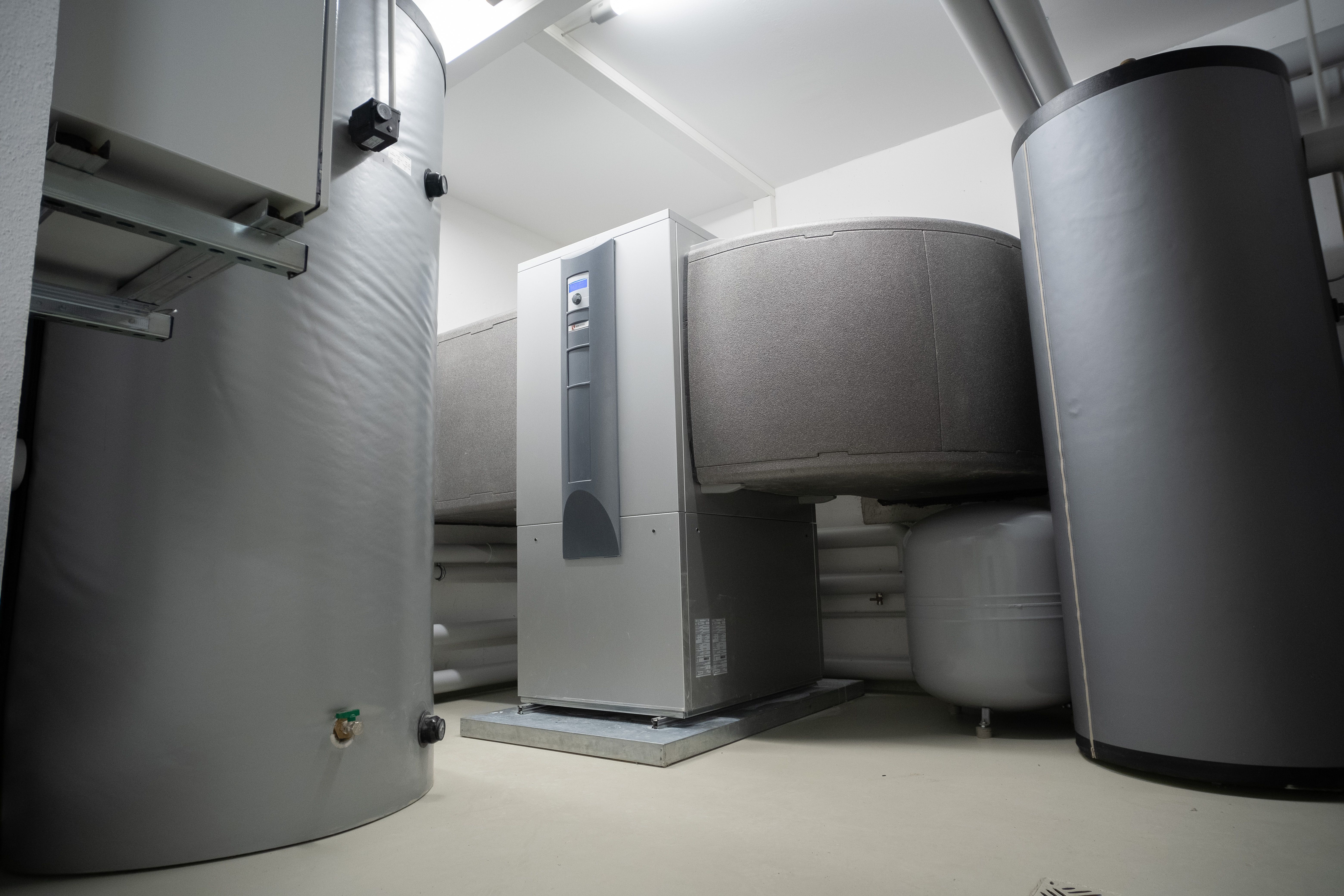
- Heating Unit: Typically a furnace or heat pump, responsible for warming the indoor environment during colder months.
- Ventilation System: Ensures the circulation of air within the building, maintaining air quality and removing impurities.
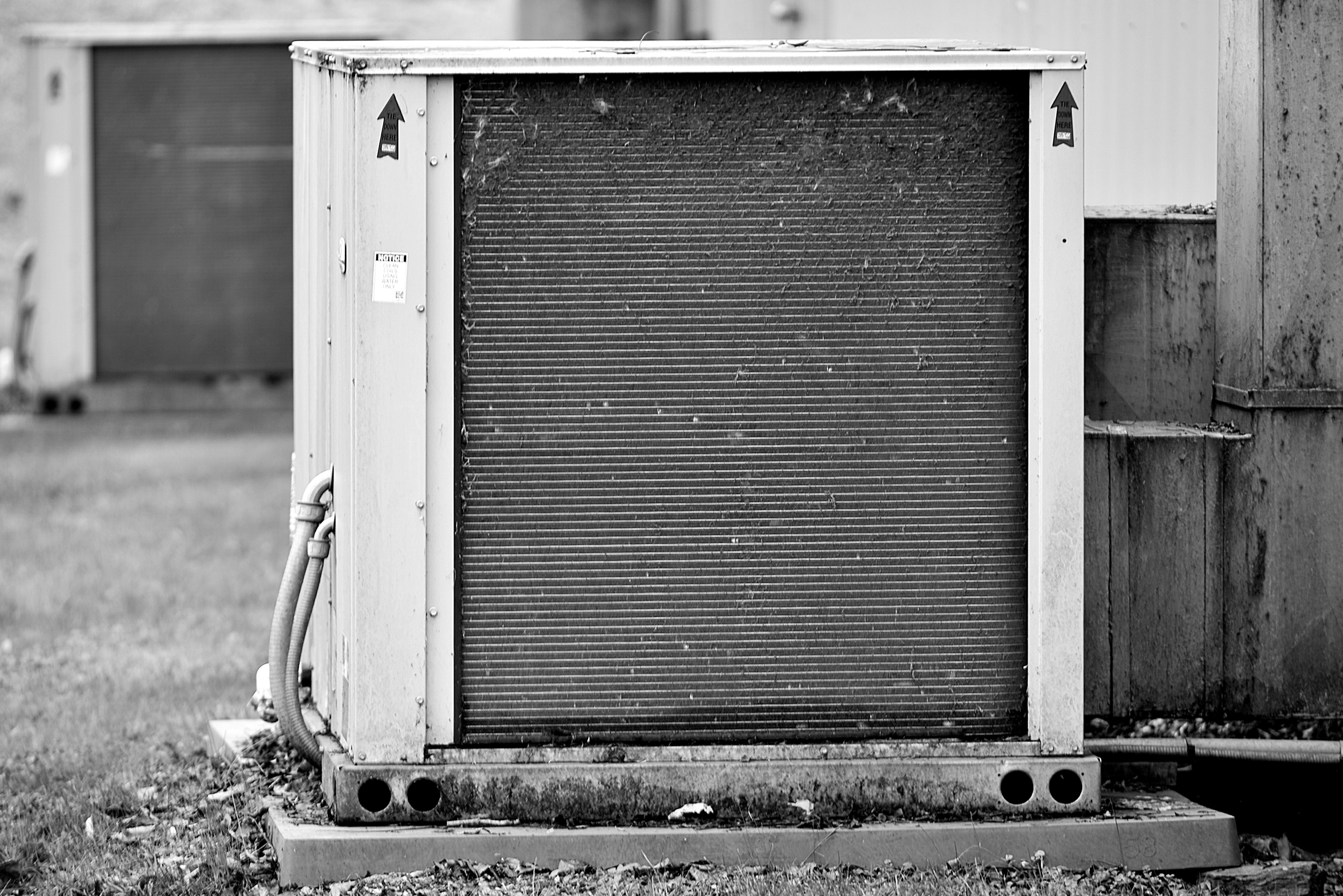
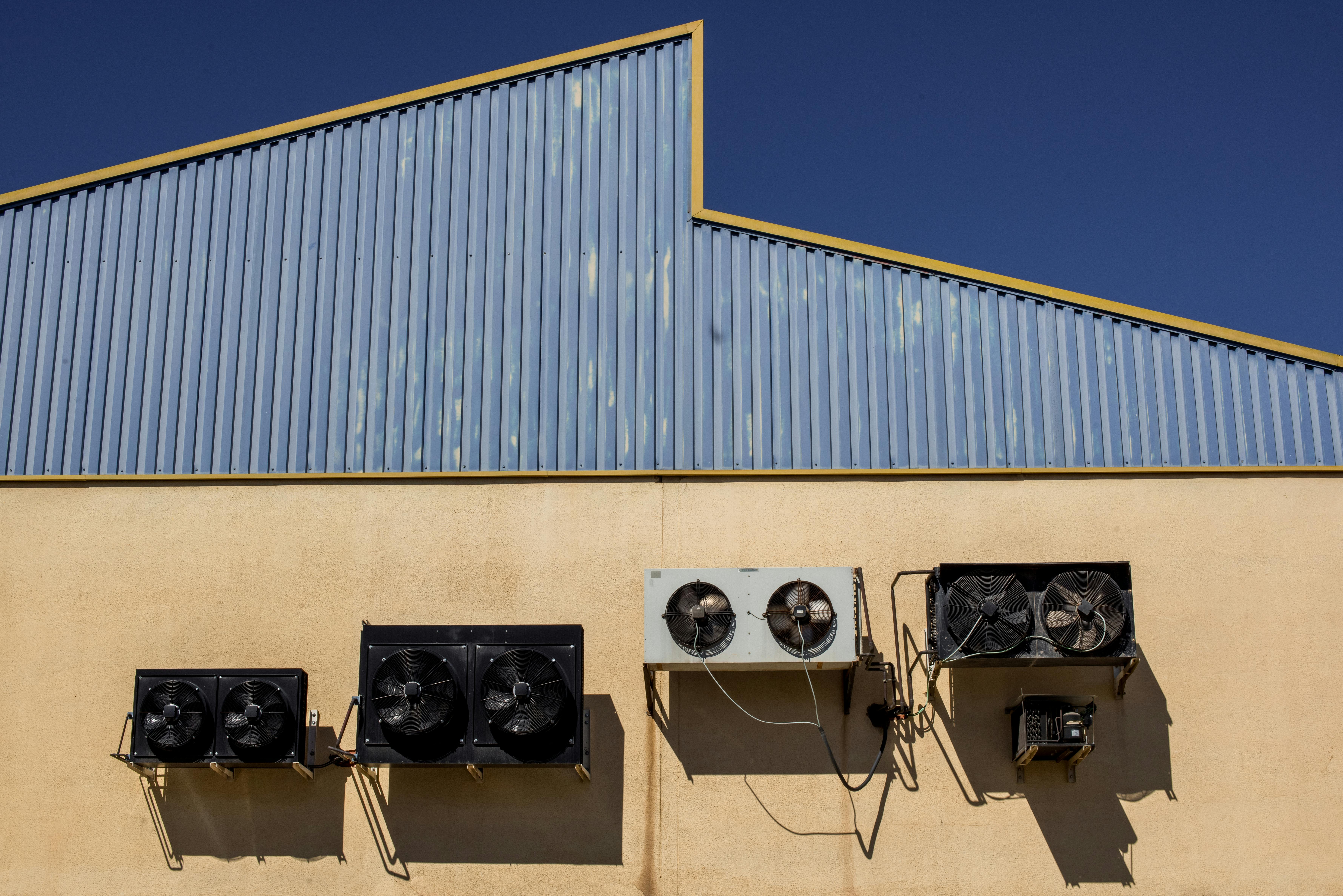
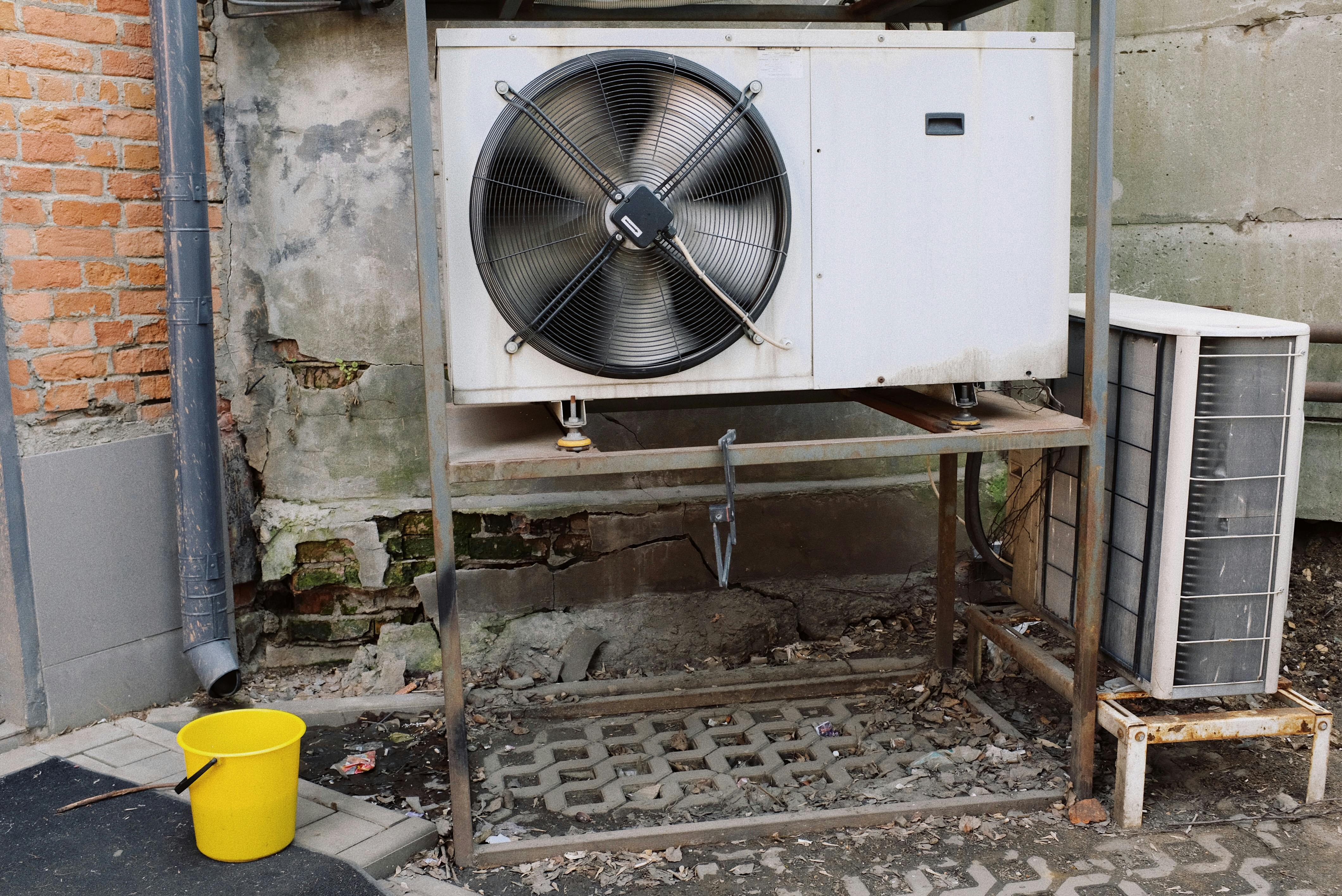
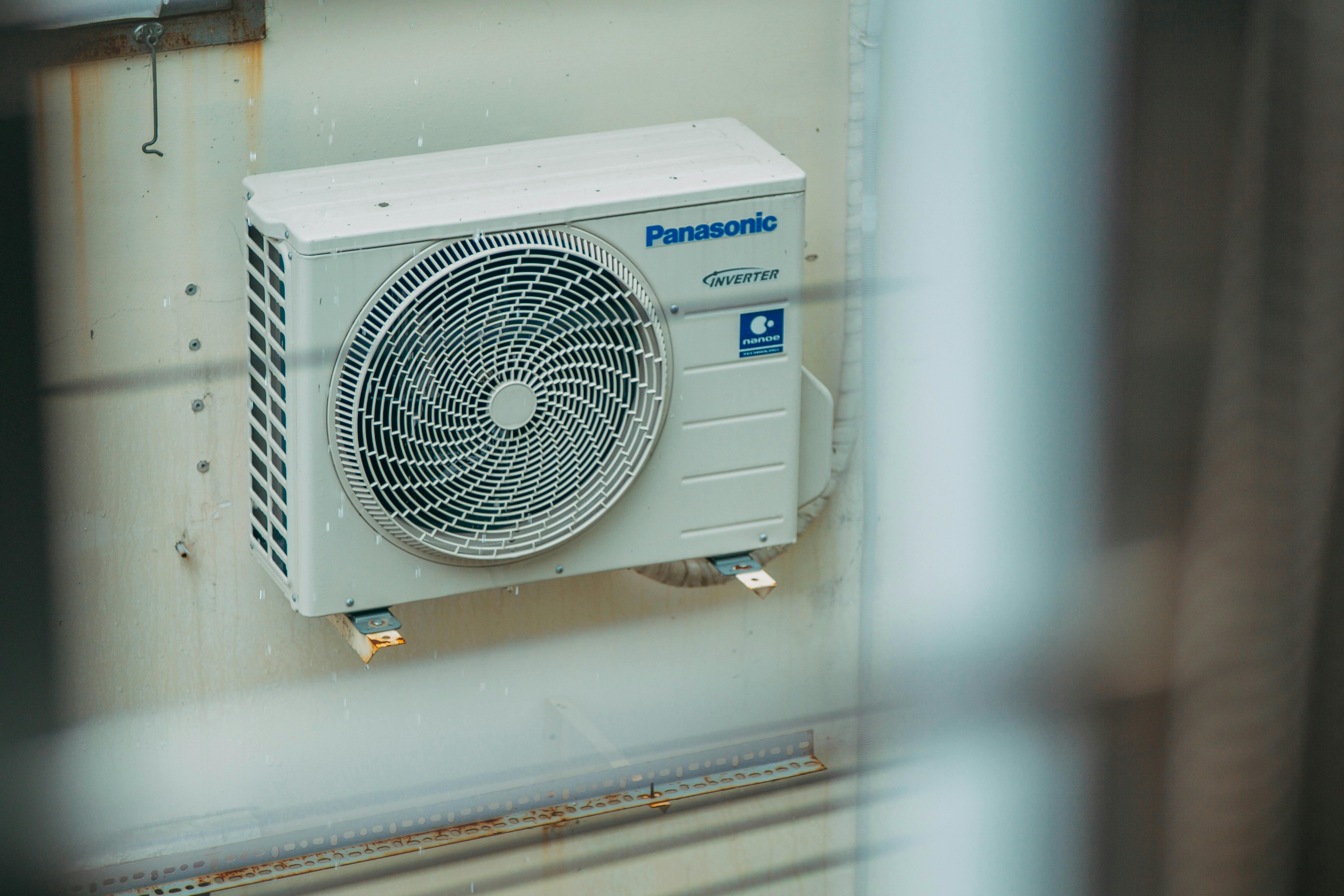
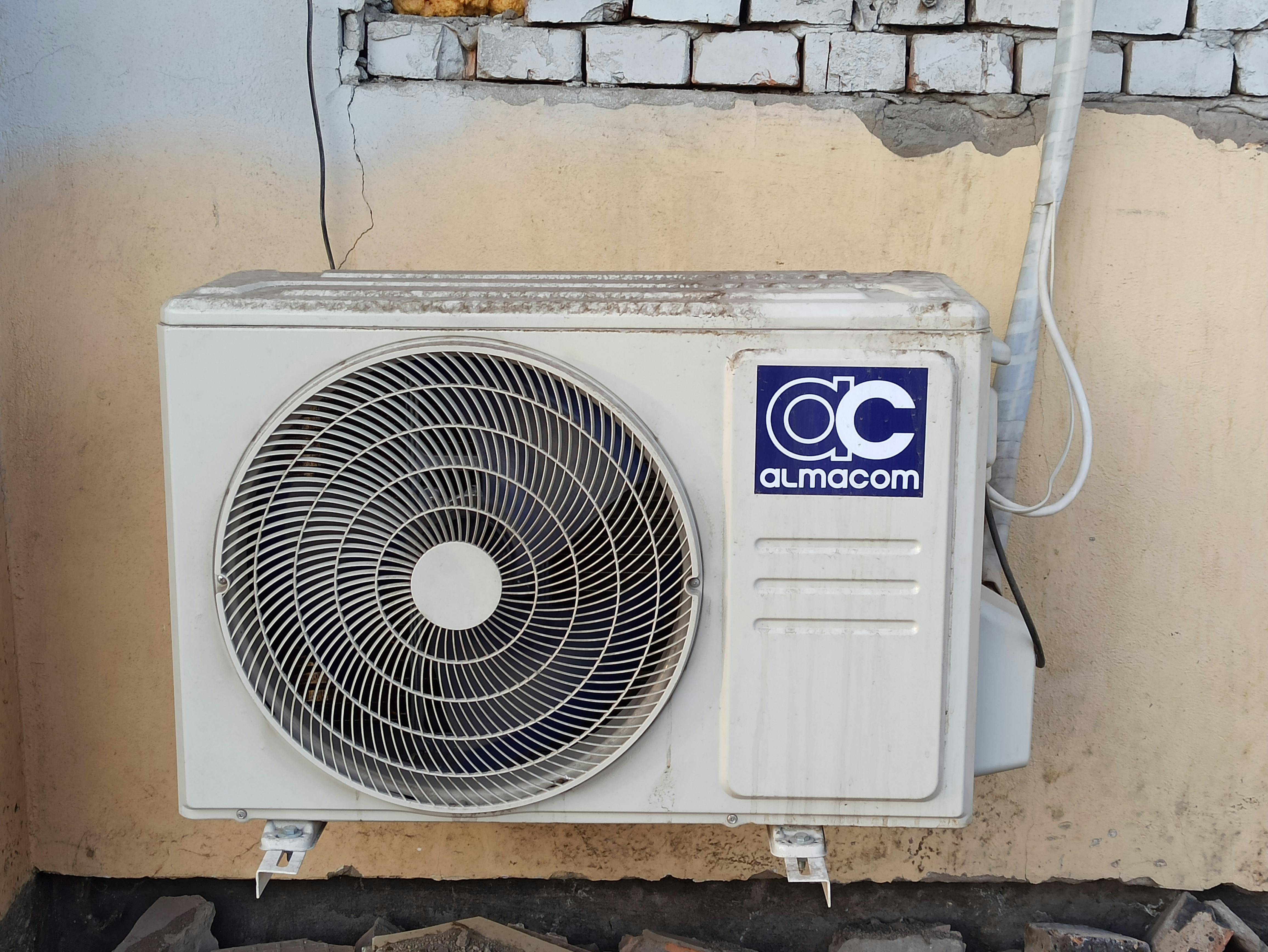
- Air Conditioning Unit: Cools the indoor environment, crucial during the hot summer months in Gilroy.
Best Practices for HVAC Optimization
Now that you have a basic understanding of your HVAC system, let's explore some best practices to ensure it operates at peak efficiency.
Regular Maintenance Checks
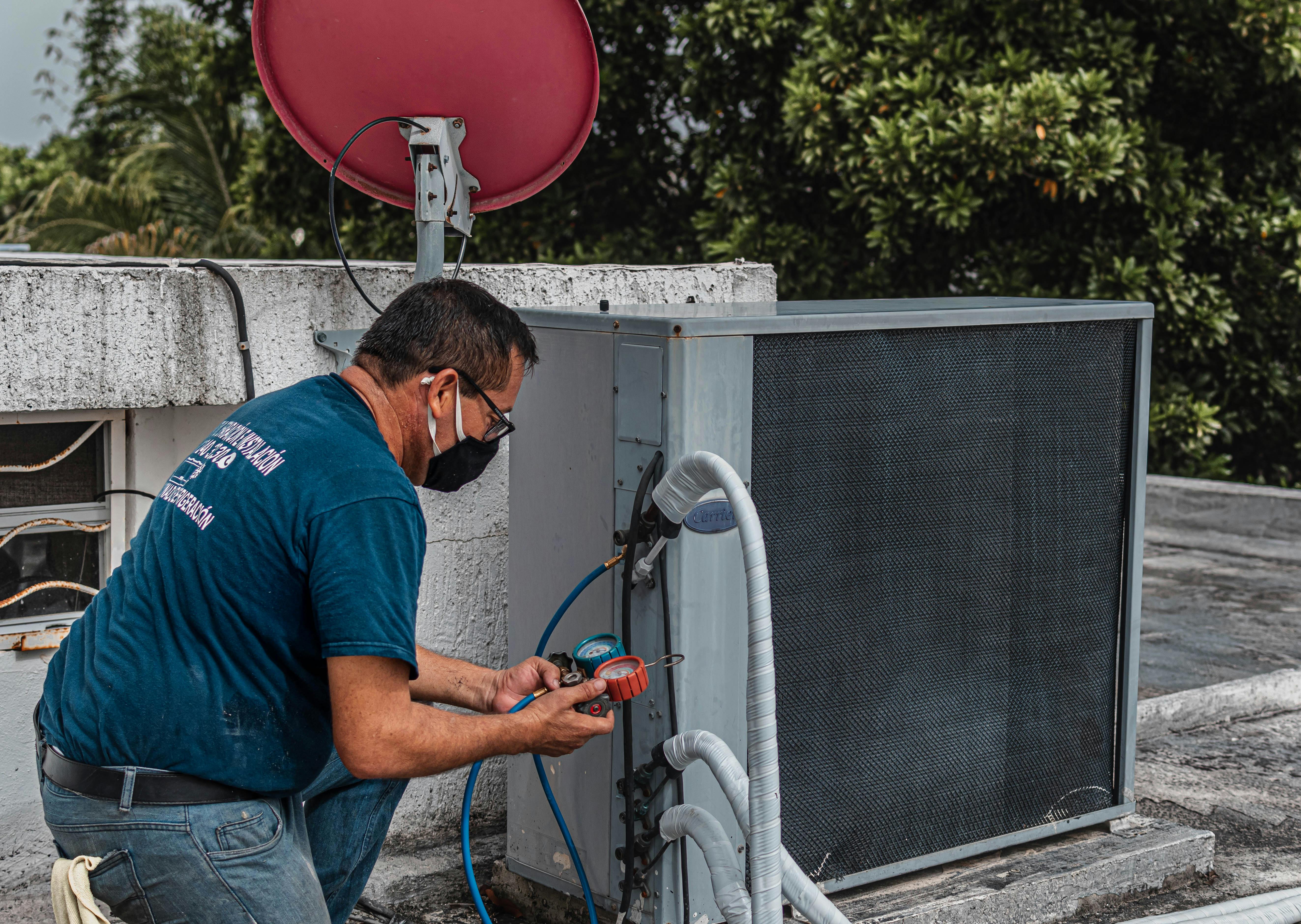
Regular maintenance is the cornerstone of an efficient HVAC system. Schedule bi-annual maintenance checks with a professional service like LJ Mechanical Heating & Cooling to ensure all components are functioning correctly. This includes cleaning and changing air filters, inspecting ductwork for leaks, and checking the thermostat for accuracy.
Invest in Programmable Thermostats
Programmable thermostats are a game-changer for small businesses looking to optimize HVAC usage. They allow you to set temperatures based on your business hours, ensuring that energy is not wasted when the building is unoccupied. This simple investment can lead to significant savings on your energy bills.
Sealing and Insulation
Inadequate sealing and insulation are common culprits of energy loss. Ensure that doors, windows, and ductwork are properly sealed to prevent conditioned air from escaping. Additionally, verify that your building is well-insulated to maintain a stable indoor temperature.
Upgrade to Energy-Efficient Units
If your system is over 10 years old, consider upgrading to an energy-efficient model. Modern HVAC systems are designed to consume less energy while providing better performance. Look for units with high Seasonal Energy Efficiency Ratio (SEER) and Heating Seasonal Performance Factor (HSPF) ratings.
Implement Zoning Systems
Zoning systems allow you to control the temperature of different areas within your building independently. This can be particularly beneficial for businesses with areas that require different temperature settings, such as offices and storage rooms.
Cost-Benefit Analysis: Is It Worth the Investment?
While the initial investment in optimizing your HVAC system may seem high, the long-term benefits often outweigh the costs. Energy-efficient systems can reduce energy consumption by up to 30%, leading to substantial savings on utility bills. Additionally, a well-maintained system can last longer, reducing the need for costly replacements.
Conclusion: Partnering with Experts
Optimizing your HVAC system is not just about reducing costs; it's about ensuring a comfortable environment for your employees and customers. By following these best practices and partnering with experts like LJ Mechanical Heating & Cooling, you can enhance your system's efficiency and contribute to a greener future. Contact us today for a comprehensive HVAC assessment tailored to your business needs in Gilroy, CA.